top of page
Search

Tailored Fasteners for Unique Industrial Applications

In the world of manufacturing and construction, the importance of fasteners cannot be overstated. They are the unsung heroes that hold everything together, from the smallest electronic devices to massive structures like bridges and skyscrapers. However, not all fasteners are created equal. In many cases, standard fasteners simply won't cut it. This is where tailored fasteners come into play, designed specifically for unique industrial applications.


Understanding Tailored Fasteners


Tailored fasteners are custom-designed components that meet specific requirements of various industries. Unlike off-the-shelf fasteners, these are engineered to address particular challenges, such as environmental conditions, load-bearing capacities, and material compatibility.


Why Choose Tailored Fasteners?


  1. Precision Fit: Tailored fasteners are designed to fit specific applications, ensuring a snug and secure fit that enhances overall performance.

  2. Material Selection: Custom fasteners can be made from materials that are resistant to corrosion, heat, or other environmental factors, extending their lifespan.

  3. Load Capacity: Tailored fasteners can be engineered to handle specific loads, ensuring safety and reliability in critical applications.

  4. Cost-Effectiveness: Although they may have a higher upfront cost, tailored fasteners can reduce maintenance and replacement costs over time.


Industries That Benefit from Tailored Fasteners


Aerospace


In the aerospace industry, fasteners must meet stringent safety and performance standards. Tailored fasteners are often used in aircraft assembly, where they must withstand extreme temperatures and pressures. For example, titanium fasteners are commonly used due to their strength-to-weight ratio and resistance to corrosion.


Automotive


The automotive industry also relies heavily on tailored fasteners. Custom bolts and screws are used in various components, from engines to body panels. For instance, high-strength steel fasteners are often used in critical load-bearing areas to ensure vehicle safety.


Construction


In construction, tailored fasteners are essential for structural integrity. Custom-designed anchors and bolts are used to secure beams and columns, ensuring that buildings can withstand environmental stresses like wind and earthquakes.


Electronics


The electronics industry requires fasteners that can handle delicate components without causing damage. Tailored fasteners, such as non-magnetic screws, are often used in devices like smartphones and laptops to prevent interference with sensitive electronics.


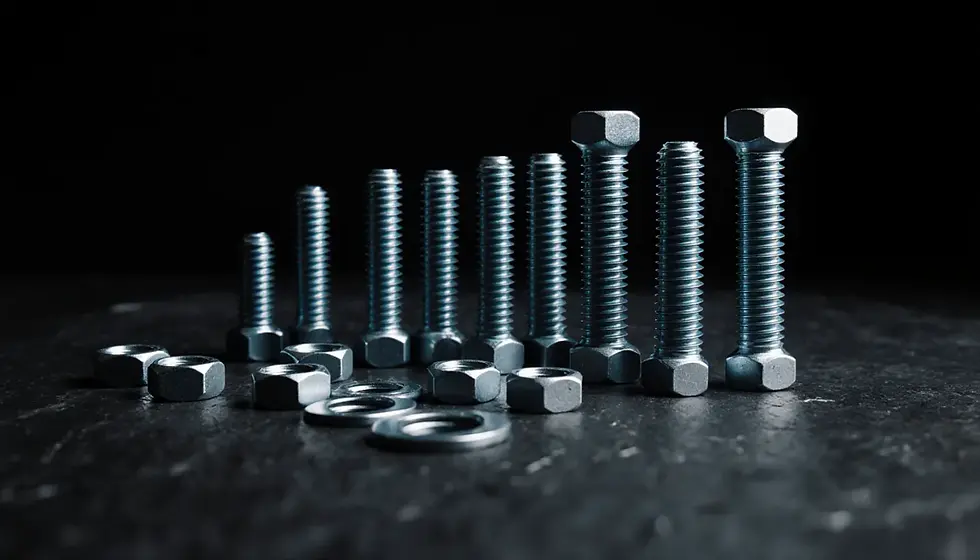
Close-up view of various tailored fasteners designed for industrial applications
Tailored fasteners designed for specific industrial needs.

Key Considerations When Choosing Tailored Fasteners


When selecting tailored fasteners for a specific application, several factors should be considered:


1. Application Requirements


Understanding the specific requirements of the application is crucial. This includes load capacity, environmental conditions, and material compatibility.


2. Material Selection


Choosing the right material is essential for the performance and longevity of the fastener. Common materials include:


  • Stainless Steel: Offers excellent corrosion resistance.

  • Titanium: Lightweight and strong, ideal for aerospace applications.

  • Aluminum: Lightweight and resistant to corrosion, often used in automotive applications.


3. Manufacturing Process


The manufacturing process can affect the performance of the fastener. Options include:


  • Cold Heading: Used for producing high-strength fasteners.

  • Machining: Allows for precise dimensions and complex shapes.

  • Forging: Enhances the strength of the fastener through deformation.


4. Testing and Certification


Tailored fasteners should undergo rigorous testing to ensure they meet industry standards. Certifications may include ISO, ASTM, and other relevant standards.


The Process of Creating Tailored Fasteners


Creating tailored fasteners involves several steps:


1. Consultation


The process begins with a consultation to understand the specific needs of the client. This includes discussing the application, load requirements, and environmental factors.


2. Design


Once the requirements are clear, engineers will design the fastener using CAD software. This allows for precise specifications and adjustments before manufacturing begins.


3. Prototyping


Before full-scale production, prototypes are often created to test the design. This step is crucial for identifying any potential issues.


4. Production


After successful prototyping, the fasteners are produced using the chosen manufacturing process. Quality control measures are implemented throughout production to ensure consistency.


5. Testing


Finally, the fasteners undergo testing to verify their performance under real-world conditions. This may include tensile testing, fatigue testing, and environmental testing.


Case Studies of Tailored Fasteners in Action


Aerospace Example: Boeing 787 Dreamliner


The Boeing 787 Dreamliner utilizes tailored fasteners made from titanium and carbon fiber composites. These fasteners are designed to withstand extreme temperatures and pressures, ensuring the aircraft's structural integrity during flight.


Automotive Example: Tesla Model S


Tesla's Model S features custom fasteners that are lightweight yet strong, contributing to the vehicle's overall efficiency. The use of tailored fasteners allows for a reduction in weight without compromising safety.


Construction Example: San Francisco-Oakland Bay Bridge


The San Francisco-Oakland Bay Bridge uses custom-designed bolts that can withstand seismic activity. These tailored fasteners are crucial for maintaining the bridge's stability during earthquakes.


Future Trends in Tailored Fasteners


As industries continue to evolve, the demand for tailored fasteners is expected to grow. Some trends to watch include:


1. Advanced Materials


The development of new materials, such as composites and alloys, will lead to even more specialized fasteners. These materials can offer enhanced performance characteristics, such as increased strength and reduced weight.


2. Automation in Manufacturing


The rise of automation in manufacturing processes will streamline the production of tailored fasteners, making them more accessible to various industries.


3. Sustainability


As industries focus on sustainability, there will be a push for eco-friendly materials and manufacturing processes. Tailored fasteners made from recycled materials may become more common.


Conclusion


Tailored fasteners play a vital role in ensuring the safety and reliability of various industrial applications. By understanding the specific needs of each application and selecting the right materials and manufacturing processes, businesses can enhance their operations and reduce costs. As technology continues to advance, the future of tailored fasteners looks promising, with new materials and manufacturing techniques on the horizon.


For industries looking to improve their fastener solutions, investing in tailored fasteners is a step toward greater efficiency and reliability.


Comments


bottom of page