
High-Quality Custom Screws and Bolts for Any Project
When it comes to construction, manufacturing, or DIY projects, the quality of your fasteners can make or break your work. High-quality custom screws and bolts are essential for ensuring durability, reliability, and overall success in any project. Whether you are building furniture, assembling machinery, or working on a home renovation, understanding the importance of these components can save you time, money, and frustration.

Understanding Custom Screws and Bolts
What Are Custom Screws and Bolts?
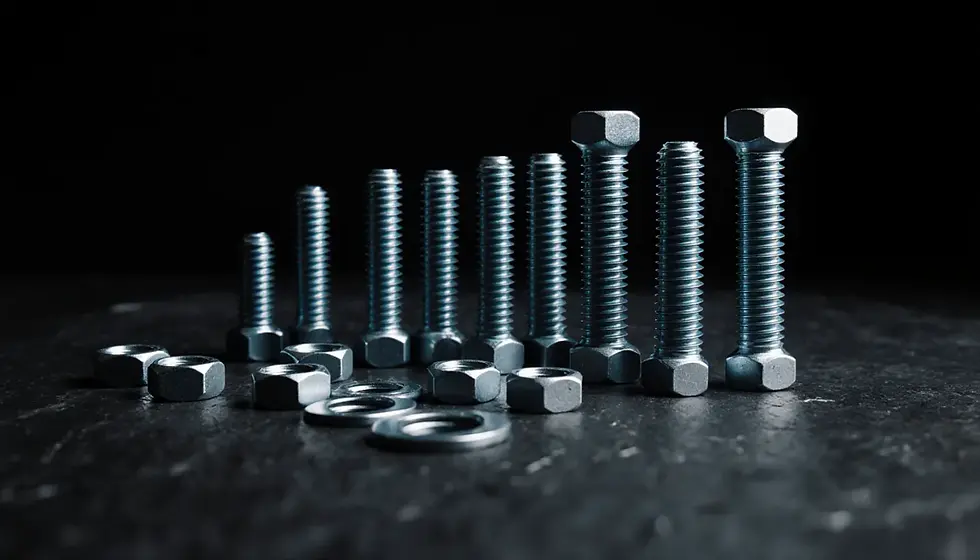
Custom screws and bolts are fasteners specifically designed to meet the unique requirements of a project. Unlike standard screws and bolts, which come in predetermined sizes and specifications, custom options allow for adjustments in dimensions, materials, and finishes. This flexibility ensures that the fasteners fit perfectly and perform optimally in their intended applications.
Why Choose Custom Fasteners?
Precision Fit: Custom screws and bolts are tailored to fit specific applications, reducing the risk of failure due to improper sizing.
Material Selection: You can choose from a variety of materials, such as stainless steel, brass, or plastic, depending on the environmental conditions and load requirements.
Unique Designs: Custom fasteners can be designed to accommodate unique shapes or functions, enhancing the overall design of your project.
Improved Performance: High-quality materials and precise manufacturing processes lead to better performance and longevity.
Applications of Custom Screws and Bolts
Construction and Building
In the construction industry, custom screws and bolts are vital for structural integrity. They are used in:
Framing: Custom fasteners ensure that wooden or metal frames are securely held together.
Roofing: Specialized screws can withstand harsh weather conditions, providing durability and safety.
Decking: Custom bolts can be designed to resist corrosion, making them ideal for outdoor applications.
Manufacturing
Manufacturers often require specific fasteners for machinery assembly. Custom screws and bolts can be designed to:
Withstand High Loads: Heavy machinery often requires fasteners that can handle significant stress.
Fit Unique Components: Custom designs can accommodate specialized parts, ensuring seamless assembly.
DIY Projects
For DIY enthusiasts, using custom screws and bolts can elevate the quality of projects. Whether building furniture or crafting home decor, custom fasteners can:
Enhance Aesthetics: Unique finishes and designs can add a professional touch to handmade items.
Ensure Stability: Custom fasteners can provide the necessary strength for various applications, from shelving to cabinetry.
Factors to Consider When Choosing Custom Screws and Bolts
Material
The material of your fasteners is crucial for performance. Common materials include:
Stainless Steel: Known for its corrosion resistance, making it ideal for outdoor use.
Brass: Offers excellent resistance to rust and is often used in electrical applications.
Carbon Steel: Provides high strength but may require a protective coating to prevent rust.
Size and Dimensions
When ordering custom screws and bolts, precise measurements are essential. Consider:
Length: Ensure the length is appropriate for the thickness of the materials being fastened.
Diameter: The diameter should match the hole size to ensure a secure fit.
Thread Type: Different applications may require specific thread types, such as coarse or fine threads.
Finish
The finish of your fasteners can impact both aesthetics and performance. Options include:
Zinc Plating: Provides corrosion resistance and a shiny appearance.
Black Oxide: Offers a sleek, matte finish and additional corrosion protection.
Anodized Coating: Commonly used for aluminum fasteners, enhancing durability and appearance.
The Manufacturing Process of Custom Screws and Bolts
Design and Prototyping
The first step in creating custom screws and bolts is the design phase. Engineers work closely with clients to understand their requirements and create prototypes. This phase often involves:
3D Modeling: Using software to visualize the design and make necessary adjustments.
Testing: Prototypes are tested for strength and fit before moving to production.
Production
Once the design is finalized, the manufacturing process begins. Key steps include:
Material Selection: Choosing the right material based on the project’s needs.
Machining: Cutting and shaping the material to create the desired dimensions.
Finishing: Applying coatings or treatments to enhance performance and appearance.
Quality Control
Quality control is critical in the manufacturing of custom screws and bolts. This process includes:
Inspection: Each batch of fasteners is inspected for defects and adherence to specifications.
Testing: Fasteners may undergo stress tests to ensure they meet performance standards.
Benefits of Using High-Quality Custom Screws and Bolts
Enhanced Durability
High-quality materials and manufacturing processes lead to fasteners that can withstand wear and tear, reducing the need for replacements.
Cost-Effectiveness
While custom screws and bolts may have a higher upfront cost, their durability and performance can lead to long-term savings by minimizing failures and repairs.
Improved Safety
Using the right fasteners for your project ensures structural integrity, reducing the risk of accidents or failures.
Conclusion
Investing in high-quality custom screws and bolts is essential for the success of any project, whether in construction, manufacturing, or DIY endeavors. By understanding the importance of these fasteners and considering factors such as material, size, and finish, you can ensure that your projects are built to last. Remember, the right fasteners not only enhance the performance of your work but also contribute to safety and aesthetics. So, when planning your next project, prioritize quality and customization in your fasteners for the best results.


Comments